If you’ve noticed that the pressure on your boiler keeps falling, you’re not alone. It’s one of the most common heating issues homeowners experience, particularly during periods when the heating system is being used regularly.
Many people simply top the pressure back up whenever it drops and carry on as normal. While this may seem like an easy solution, a boiler that repeatedly loses pressure is usually telling you that something isn’t quite right within the heating system.
In this article, we’ll look at the most common reasons boiler pressure drops, when you should be concerned, and when it may be time to call a heating engineer.
What Does Boiler Pressure Mean?
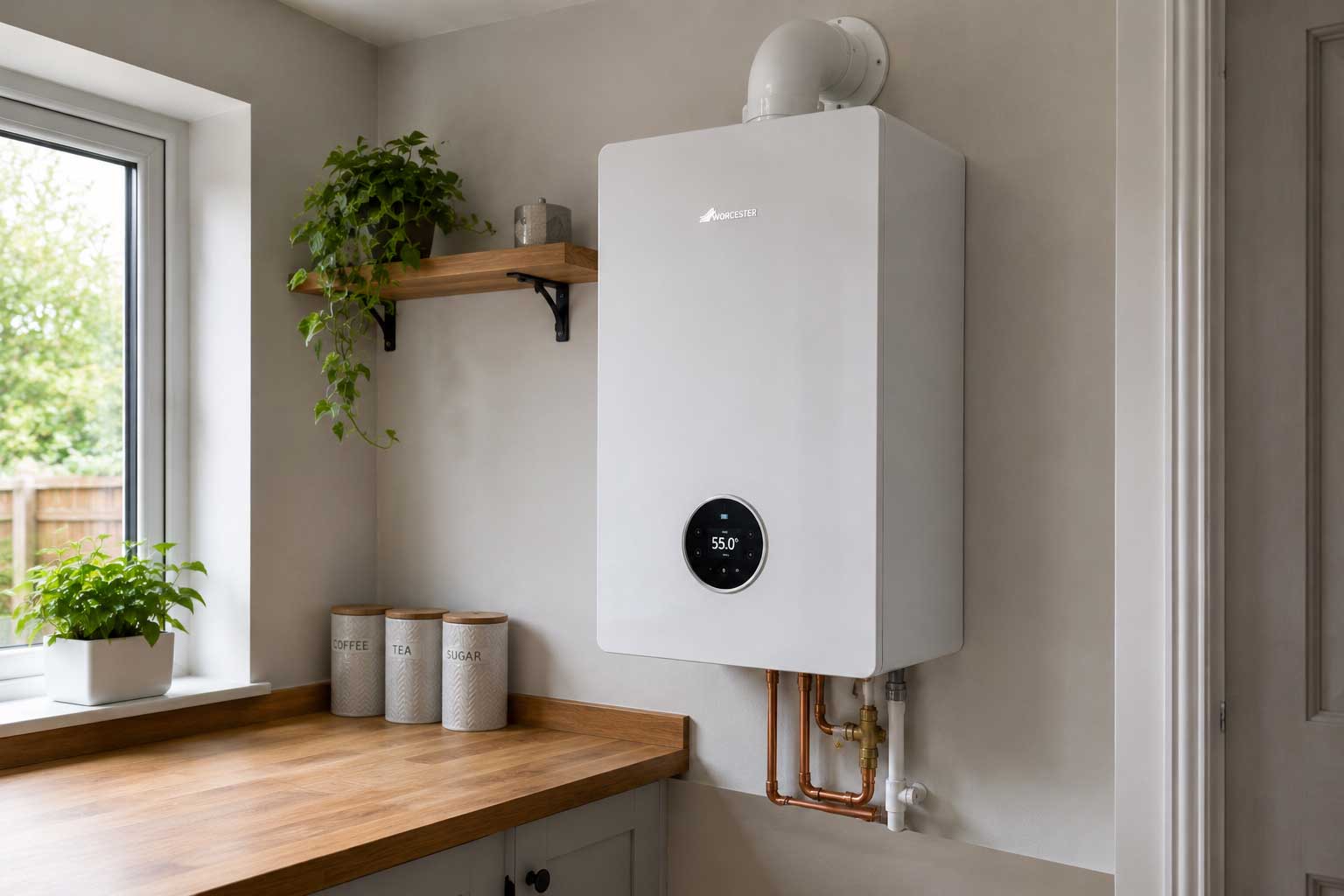
Your central heating system relies on water circulating through a sealed system. The boiler maintains pressure within that system to ensure hot water can move efficiently around your radiators and pipework.
Most modern boilers operate best when the pressure gauge sits between 1 and 1.5 bar when the system is cold.
If the pressure falls too low, your boiler may stop working altogether or display a fault code. You may also notice:
- Radiators taking longer to heat up
- Cold spots on radiators
- Reduced heating performance
- No heating or hot water
- Warning lights or error messages on the boiler
A small drop in pressure over many months can be normal, but regular pressure loss should always be investigated.
Small Leaks Within The Heating System
One of the most common causes of pressure loss is a small leak somewhere within the heating system.
These leaks are not always obvious. In many cases they occur beneath floorboards, behind furniture or in pipework hidden within walls.
Signs of a possible leak include:
- Damp patches on floors or walls
- Stains on ceilings below pipework
- Corrosion around valves or joints
- Regular pressure loss despite topping up
Even a very small leak can gradually reduce system pressure over time.
If you suspect a leak, it’s worth arranging a professional inspection before the problem becomes more costly.
Recently Bled Radiators
Have you recently bled your radiators?
Removing trapped air from radiators is an important part of maintaining an efficient heating system, but the process can reduce system pressure.
After bleeding radiators, it’s often necessary to top up the pressure using the filling loop connected to the boiler.
If the pressure remains stable after topping up, there is usually no cause for concern. If it continues to fall, another fault may be present.
Faulty Pressure Relief Valve
Every boiler contains a pressure relief valve designed to release excess pressure if the system becomes over-pressurised.
Over time, these valves can develop faults or fail to close properly after operating.
When this happens, water may slowly escape through the discharge pipe outside your property.
You may notice:
- Water dripping from an external copper pipe
- Pressure dropping shortly after topping up
- Frequent pressure loss without any visible internal leaks
A faulty pressure relief valve should be inspected and replaced by a qualified heating engineer.
Problems With The Expansion Vessel
Modern combi boilers and sealed heating systems contain an expansion vessel.
As water heats up, it expands. The expansion vessel absorbs this increase in volume and helps maintain stable system pressure.
If the vessel loses its charge or develops a fault, pressure can fluctuate dramatically. You may notice:
- Pressure rising significantly when heating is on
- Pressure dropping when the system cools
- The need to regularly repressurise the boiler
Expansion vessel faults are a common cause of recurring pressure problems and should be professionally diagnosed.
Faulty Filling Loop
The filling loop is used to add water back into the system when pressure is low.
In some cases, filling loop valves can become worn or fail to seal correctly. This may allow pressure fluctuations or affect the normal operation of the system.
While less common than leaks or expansion vessel issues, it is another possibility worth checking if pressure problems persist.
Can I Keep Topping Up The Pressure?
Many homeowners continue topping up their boiler every few weeks without investigating the underlying cause.
While this may temporarily restore heating, it doesn’t solve the problem.
Repeatedly adding fresh water introduces oxygen into the system, which can increase corrosion within radiators, valves and pipework.
Over time, this can lead to more expensive repairs and reduced heating efficiency.
If you’re having to repressurise your boiler regularly, it’s worth arranging an inspection to identify the cause.
When Should You Call A Heating Engineer?
You should consider contacting a heating engineer if:
- Boiler pressure drops every few days or weeks
- You notice water leaks around the system
- The boiler repeatedly displays fault codes
- Radiators are not heating properly
- Pressure falls shortly after topping up
- You suspect a problem with the expansion vessel or pressure relief valve
Prompt diagnosis can often prevent a minor issue becoming a larger repair.
Boiler Pressure Problems In York
At AB Plumbing & Heating, we provide heating repairs, boiler fault finding and plumbing services throughout York and the surrounding area. Our experienced engineers can quickly identify the cause of recurring pressure loss and recommend the most suitable repair.
Whether the issue is a hidden leak, faulty valve, expansion vessel fault or another heating system problem, we provide straightforward advice and professional workmanship.
If your boiler pressure keeps dropping and you’re tired of constantly topping it up, contact AB Plumbing & Heating today for assistance.